
The topic These firms you’ve never heard of are feeding fears the AI bubble could burst is drawing steady attention: readers, analysts, and industry watchers are all tracking how the story may unfold in the days ahead.
This is taking place in a fast-moving context — product cycles, platform shifts, and competitive moves can reshape the outlook quickly, so the details below are worth a careful read.
What follows is a clear walkthrough of the main facts and angles you need to make sense of the news.
A once-obscure corner of the AI ecosystem finds itself in the spotlight – and investors don’t all like what they see.
Names like CoreWeave and Nebius are familiar to the tech set in San Francisco and Silicon Valley.
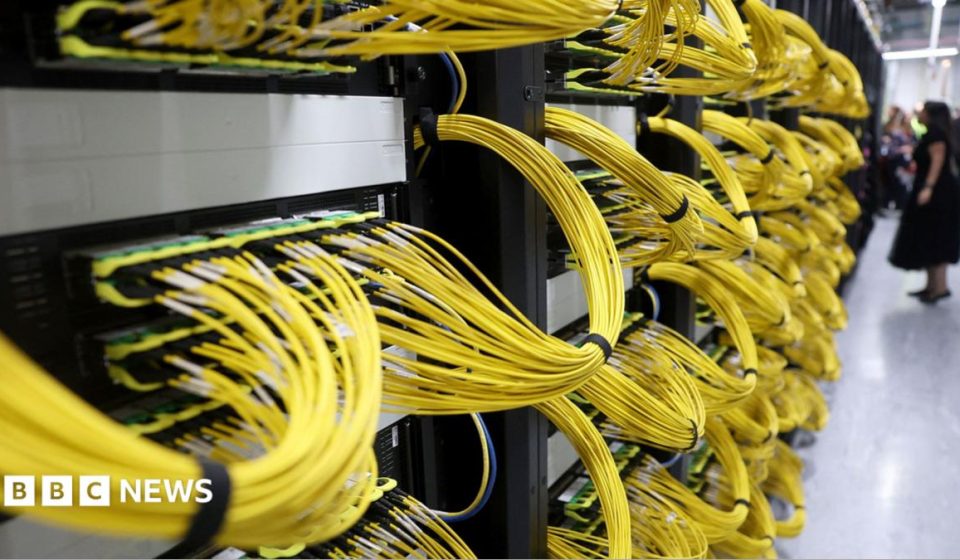
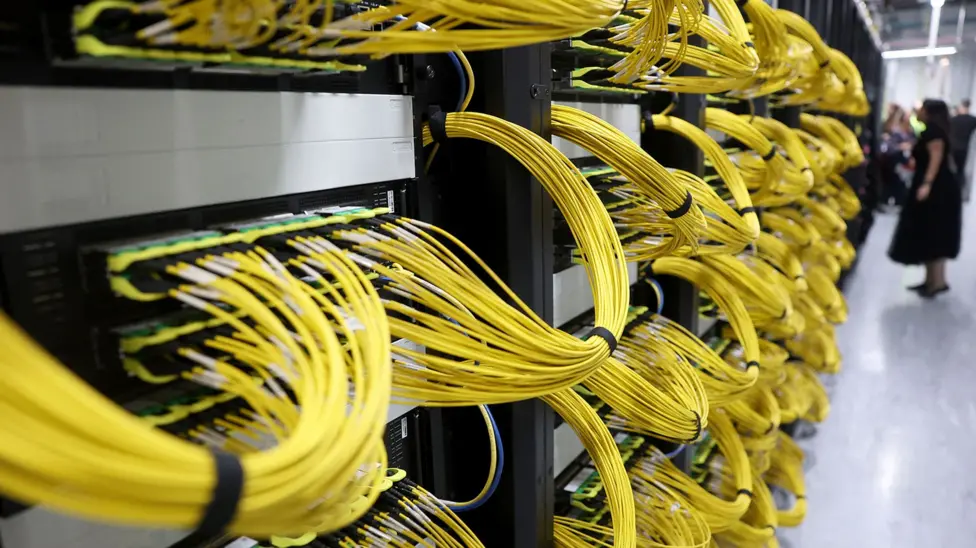
These data centre companies, known as neocloud firms, run large warehouses packed with expensive computers, which they lease to major AI developers like Anthropic, OpenAI and Meta.
They’re now the subject of one of Silicon Valley’s most heated debates.
Many question whether neocloud firms are financially sound and what their recent stumbles tell us about the state of the AI economy.
Analysts at Gartner predict by 2030, 80% of neocloud firms will “cease independent operations”, while Forrester’s experts expect at least three of them to be imminently acquired “as finances get shaky”.
On Thursday, Treasury Secretary Scott Bessent tried to downplay recent concerns about neocloud firms, calling them “a small component of the overall ecosystem, external” on CNBC.
Neocloud firms often finance themselves by signing long-term lease contracts with major tech customers who need quick access to computing power.
Firms can then borrow money using those contracts – plus the AI chips they purchase – as collateral, explained analyst Cory Johnson of “The Quiet Period” IPO research outfit.
He said debt is common across neocloud firms because the hardware has to be paid for up front.

Take the industry leader: CoreWeave. It’s a fraction of the size of some of the Big Tech companies it serves.
But Johnson believes lenders sometimes consider the creditworthiness of CoreWeave’s customers, like Microsoft or Meta, more than the company’s when they lend.
“This helps explain how CoreWeave accumulated $35.1bn (£26.3bn) in debt,” he said.
CoreWeave stock has lost a quarter of its value over the past month, and it’s not alone.
Shares in other neocloud firms like Nebius, IREN, and Applied Digital have all shed about that much if not more during the same period.
Debt investors also appear spooked, and are demanding ever-higher returns from several firms in the sector.
CoreWeave’s CEO Mike Intrator has said that the market is acting “irrationally” and has expressed confidence in its business model. Some of the world’s most consequential companies are queuing up for CoreWeave’s infrastructure and other AI services.
Several neocloud firms have their roots in the volatile crypto mining industry, made of companies that generate cryptocurrencies, like Bitcoin.
Crypto miners use some of the same kind of physical infrastructure that is used to develop AI.
IREN, Core Scientific and Applied Digital also started in crypto mining.
Their infrastructure left them well-positioned when AI exploded in 2022 with the introduction of OpenAI’s ChatGPT.
One outlier is Nebius, which was known as Yandex NV when it was part of Russia’s version of Google before splitting off and changing its name in 2024.
Now, the success of these firms hinges on the fate of major AI developers and hyperscalers – even larger data centre operators which neocloud firms often count as key customers.
“There is just an enormous amount of spending getting injected into the system,” said Melissa Otto, head of Visible Alpha Research at S&P Global. “It’s an arms race.”
But the trade-off of their model is “greater financial risk” in the face of change, said Forrester VP and principal analyst Charlie Dai.
That includes any adjustments that their Big Tech customers might make to their spending plans.
This past week, when Microsoft and Google forecast less AI spending than Wall Street analysts had projected, shares in several neocloud firms tumbled.
Much is also riding on Anthropic and OpenAI, which are both expected to start selling shares to the public in the months ahead.
If AI proves to be a bubble – and bursts – neocloud firms “are definitely going to face collateral damage,” said Bradley Tusk of Tusk Ventures.
The future of the neoclouds also depend on their ability to keep borrowing, which gets more expensive as interest rates rise.
In a recent social media post, Elon Musk suggested this challenge could lead more than 200 neoclouds to “see guppy-level death and consolidation”, with the smallest firms being the most vulnerable.
For now, analysts at Yorkville Ives said demand for computing power still exceeds supply, adding that neoclouds are filling an important gap that larger data centre companies cannot fill.
Microsoft recently cancelled a deal with a British neocloud outfit called Nscale amid power supply issues which could last through to 2030.
Australia’s Firmus just shelved plans to start selling shares to the public.
These developments come amid a public backlash against data centres and questions about how much value AI can add to worker productivity.
Big, noisy and coming to a town near you – why the data centre backlash is growing