
The topic 4 Best Alexa Speakers I’ve Tested (2026) is drawing steady attention: readers, analysts, and industry watchers are all tracking how the story may unfold in the days ahead.
This is taking place in a fast-moving context — product cycles, platform shifts, and competitive moves can reshape the outlook quickly, so the details below are worth a careful read.
What follows is a clear walkthrough of the main facts and angles you need to make sense of the news.
Amazon started the smart speaker game, but finding the best Alexa speaker has only gotten harder as the company launches more and more devices. Amazon has the largest range of smart speakers and displays by a long shot, which can be overwhelming to dive into. It currently includes the Echo Dot Max, the Echo Studio (2nd Gen), the Echo Show 11, and the Echo Show 8 (4th Gen). But Amazon has plenty of older, cheaper models available, too.
If you’re looking for something small and simple to control your home, either an Echo Dot ($80) or the Echo Dot Max ($120) is your best bet. The Dot Max has really impressive sound for its compact size and is my overall favorite Alexa speaker, but if you’re only going to use it for voice commands rather than jam sessions, you can get away with the older, cheaper model, especially if you want to buy a few to place around your home. For anyone looking for a smart display, the Echo Show 11 ($250) is the best of Amazon’s newest smart displays that come designed for Amazon’s updated assistant, Alexa+. The older third-generation Echo Show 8 ($150) is still a great value if you want something cheaper.
However, there are several new models out after Amazon’s announcement on October 28, and I’ll be updating this guide soon on whether the newest models outpace the old. In the meantime, read on to see which of the existing Echo speakers are our favorites. You can also learn more about Alexa+, and we’ve got guides on setting up your Echo speaker, creating Alexa routines, and the best tricks an Echo Show can do.
Updated November 2026: I’ve updated this guide with details about the new Echo speaker models announced, and ensured up-to-date links and prices.
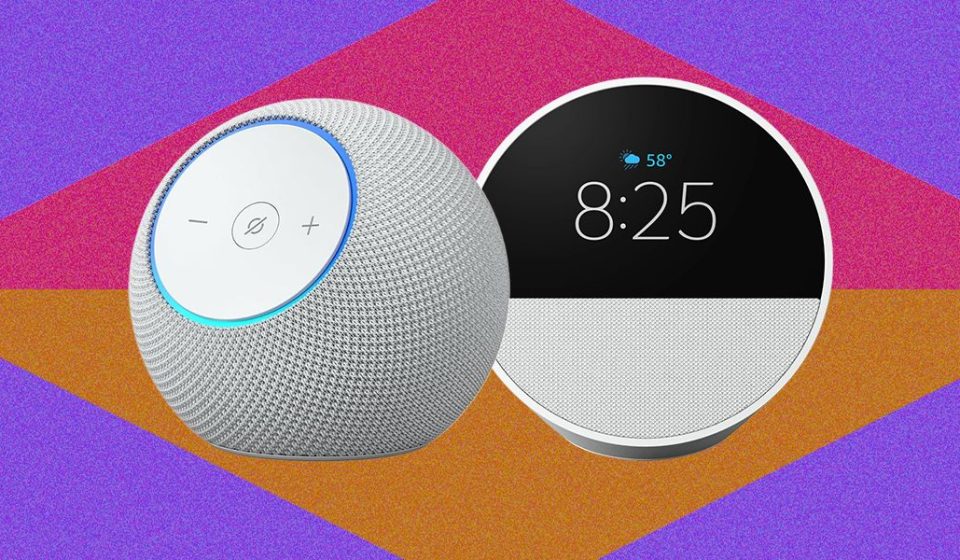
Out of all of Amazon’s latest smart speakers, one landed on top for me: the Echo Dot Max. It’s still a similarly sized speaker to past Dot models (though this model is slightly taller at 4.27 inches while the older one was 3.9 inches), but it has much better sound than ever before, putting it on a level with the Echo (4th Gen) we previously recommended. I was really impressed with the sound quality and volume for such a small speaker. It also doesn’t lack in bass like smaller speakers usually do. Amazon is no longer selling the plain Echo, which was last updated in 2020, so the Echo Dot Max is really your only powerful sound option that isn’t upward of $150.
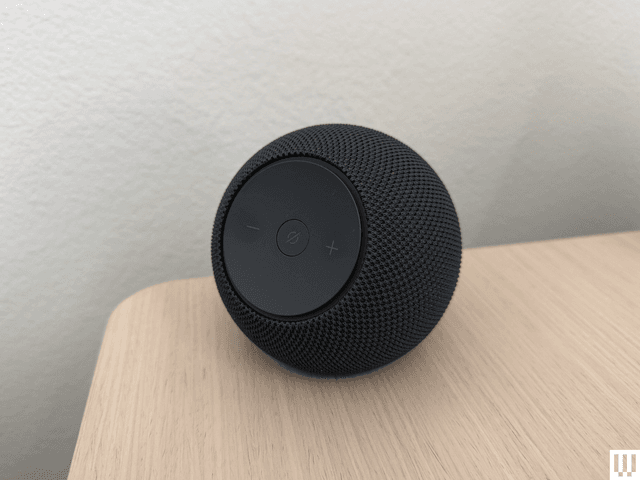
While it still has the rounded design that was introduced in the 2020 Echo speakers, both the Echo Dot Max and new Echo Studio introduced a new design style with a front panel that looks like a dust cap, but instead houses the volume controls and the microphone mute button. There are also tap controls on the top to stop music, and it has a built-in smart home hub that was never before available in such a small speaker. It comes with Alexa+ right out of the box, but if you don’t have a Prime membership, you’ll only have a 30-day trial and then need to pay for either Prime or the Alexa+ $20 monthly fee (choose Prime).
The price on this model also rose recently, going from a base price of $100 to $120. It’s not a huge increase, but a bummer to see, especially because that means sales on this device will also likely be on the higher end than in the past. It’s on sale right now for $95, for example, but that’s only $5 cheaper than the price it had just a week ago.
The fifth-generation Echo Dot is a few years old now, but it’s still a great little speaker. It’s got powerful, robust sound for its size, and it works great if you want Alexa handy on a bookshelf or on a small side table. It’s got significantly improved bass from older models, which I really like for listening to music. It’s one I always find myself setting up somewhere in my house, whether it’s in my hallway so I can ask quick questions as I move through the house, or in my bedroom as an alarm clock.
It used to have some of the best sound you can get for the price, but Amazon did unfortunately raise the price on this speaker along with several other models. The base price used to be $50 and frequently on sale for around $30, but the base price is now $80 with its sale price going for $55. I wouldn’t buy it if it’s not on sale; it’s not worth $80. Still, it’s the best Amazon’s got in the under-$100 category after the price hikes.
★ New 2026 Model: There’s a new 6th-gen Echo Dot out, but it costs $100 now since it includes a smart home hub, Omnisense to sense the environment, the ability to extend your eero mesh Wi-Fi system, and improved bass. I’ll be testing it soon, but while the new features are cool, it’s frustrating to see the cheaper Echos get more and more expensive.
I’m surprised to say that out of Amazon’s two newest Echo Show devices, the new Echo Show 11 ended up being my favorite over the fourth-gen Echo Show 8. I actually liked the larger screen, and it didn’t feel ridiculously large like the Echo Show 15 does or the Echo Show 10 before it, but it helps that the base is much smaller on the Show 11 than the Show 10’s rotating, Wall-E-esque base.
The Echo Show 11’s screen is bright and crisp, and I loved how the landscape photo slideshows looked on it. There’s a little side menu you can swipe to see things like your smart home favorites, and I found the sound quality immersive and more well-rounded than the new Show 8. Taylor Swift’s “You’re On Your Own, Kid” sounded beautifully dimensional, while “Opalite” didn’t lose its bass like it did on the newer Show 8. It’s got a 13-MP camera like we’ve seen on Show 8 models, and this larger display is one I’d be more likely to stream a show on compared to the smaller Show 8 and Show 5 sizes. If you’re looking to get one of the newer displays, this is the superior option.
This smart display also rose in price due to Amazon’s price hikes. It now has a base price of $250, when it used to be $220.
The Echo Show 8 has been our favorite smart display for Alexa for three generations in a row, and the 2023 model remains my preferred option of the Show 8 models, even though there’s a newer version. The 8-inch screen is a good size for just about everything, from weather updates to recipes and video chats (thanks to the 13-MP camera), without being overly bulky.
The third-gen model has a smart home hub and spatial audio. I was also happier with the sound quality on this one compared with the newer fourth-gen Echo Show 8 ($200). While the fourth gen comes with Alexa+ right away and has an updated screen experience, the speaker is a little weaker and doesn’t have the same bass and depth level to the songs as the third-gen version. The biggest irritation I have with the third-gen version is that Amazon will show lots of ads on it (along with other Echo Show devices), but there are some ways to get around that.
Not only do I love this model, but it hasn’t risen in price like the newer Echo Show 8 and other Echo speakers I like, making it a better buy than ever.
While I wouldn’t call these smart speakers my absolute favorites from Amazon, they have some excellent qualities that make them stand out among the vast lineup of Echo models.
The Echo Studio (2nd Gen) is the best Alexa speaker for sound quality. This is the second version of the Echo Studio to be our audiophile pick. The current version is a similar size to the old Echo (4th gen), but the musical power on this speaker is almost ridiculous. It filled my entire second floor’s long great room with music, and I didn’t even need to reach the highest level of volume to pull it off. Honestly, I’m almost afraid to use it at full blast. Not only was it loud, but clear and delivered a nice amount of bass, beautifully playing soft tones of Tracy Chapman’s “Fast Car” and the piano riffs of “Dark Blue” by Jack’s Mannequin with its three 1.5-inch drivers, plus a 3.75-inch woofer. The harmonizing of “What Is This Feeling?” by Ariana Grande and Cynthia Erivo sounded beautiful, too. If you’re looking for big sound in an Alexa box, this is it. It’s a similar size to the Apple HomePod, but I like the sound much better and it’s cheaper, too. You’ll also get a built-in smart home hub, spatial audio and Dolby Atmos, tap controls like the Echo Dot Max, and early access to Alexa+ right away.
The Echo Spot (2nd Gen) is the best Alexa speaker for bedside tables. The Echo Spot returned in 2024 after a few years of discontinuation, and it’s a great little bedside companion thanks to its half-circle screen that displays the time, plus any alarms you have set are also visible under the main time. You can customize the clock with a couple of different color and face options, and the screen dims nicely when the lights are out to a gentle red that’s easy to read without lighting up the room. I like asking for alarms set to my latest playlist or some lo-fi jams, and it’s easy to set that up with a voice request. Unlike the Echo Shows, it doesn’t have a distracting, constantly moving slideshow that would be annoying for the bedroom, nor does it display ads or have a built-in camera. (Nobody wants a rogue camera in their bedroom.) It does not have fantastic sound, but it’s plenty loud for an alarm or casual listening while you get dressed in the morning.
The Echo Dot Kids (5th Gen) is the best Alexa speaker for kids. Do your kids really need their own Alexa speaker? That’s up to you. This special edition of the Echo Dot is nearly identical to the fifth-gen Dot above, but it has easy-to-use parental controls that allow you to set time limits, filter explicit content, and review activity. The owl- or dragon-themed sphere comes with a year of Amazon Kids+, which includes thousands of Audible books and other special games and features. After that, you’ll be charged $3 per month. Alexa can help your kids spell, play their favorite music, or—via another speaker in your house—remind them of dinner time.
There are a lot of Echo devices out there, and some third-party speakers that are Amazon Alexa–compatible. Here are other Alexa smart speakers we’ve tried and what we thought of them. Some of these speakers haven’t increased in price like the models above, which might make them more appealing than before if you’re looking to spend less.
Amazon Echo Dot (5th Gen) With Clock for $60: I like this version of the older Echo Dot that adds an LED clock to the front of the speaker, and was thrilled to see it in stock again last year. The LED clock can also display information like the weather when you ask Alexa questions. It’s once again temporarily out of stock as of this writing, and has had spotty availability. Still, it’s a good find when it’s available. There is the new Echo Time ($200) out now too, which will likely eclipse the Dot With Clock in permanent availability.
Amazon Echo Hub for $180: The Amazon Echo Hub is similar to an Echo Show, but prioritizes smart home controls over entertainment. It’s a slim device that feels a bit like a tablet, designed to be mounted on the wall (or placed on a separately purchased stand, which is how I used it) and used to control your smart home devices. It’s a great choice for anyone who wants something focused on smart home control only. You can still ask Alexa questions and even play music, but the thin speakers aren’t worth playing music from. But you can tell your Echo Hub to play music on a different set of speakers, and even set up default speakers to work with it. It’s a great companion device if you already have a smart home setup.
Amazon Echo Pop: The Echo Pop is a perfectly fine little speaker, and the cutest one in Amazon’s lineup. Does it have great sound? No. It’s fine enough for background tunes or if you’re limited to a dorm room, but you’ll get much better sound for a similar size from the Echo Dot (but you’ll pay a little more, and you won’t get as cute of colors). It looks like Amazon has it fully out of stock, though, and only Best Buy seems to be carrying it right now, for twice the usual $40 price.
Amazon Echo Show 5 (3rd Gen) for $100: This smart display is another just-fine option, but it’s too small to be a great display, and the included camera makes it a no for a bedside table; better to go with the above Echo Spot or an Echo Dot. Amazon did raise the price by $10.
Amazon Echo Show 8 (4th Gen) for $200: I usually love an Echo Show 8, but this model didn’t have the same sound quality as the older model. If you’re going to get one of Amazon’s new displays, you’re better off getting the Echo Show 11 ($250) for the same experience with a slightly larger screen (while it’s a 3-inch difference, it doesn’t feel that big) and better sound. Amazon did raise the price by $20.
Amazon Echo Show 15 (2nd Gen) for $350: This smart display is good, but it clearly wants to double as a TV and isn’t very good at it yet. I’m hoping we see better TV-related performance in future to make it worth adding to a kitchen or office. It does a great job with widgets, though, thanks to the massive 15.6-inch screen. There’s also the larger Echo Show 21 ($500), which is essentially the same thing but larger. Both of these large displays rose in price—the Show 15 went up $50, while the Show 21 went up $100.
JBL Authentics 200 for $200: This JBL smart speaker supports both Google Assistant and Amazon Alexa, letting you switch between them for different tasks without changing your preference in the app. That makes this speaker particularly appealing for folks with a sprawling collection of smart products from both.
Sonos Era 100 for $219: If you’re looking for a speaker that can talk to Alexa but isn’t necessarily made by Amazon, the Sonos Era 100 is a great option. We just wish we liked the Sonos app better. You can catch our entire guide to the Sonos ecosystem here.
Amazon announced several new Echo models at the end of October that promise a richer Alexa+ experience. Some of these are new models of Echo speakers we’ve seen before, and some are entirely new. Here are all the new models, prices, and their standout features I’ll be testing:
There’s also the Alexa Photo Frame ($230), which will be a digital photo frame with Alexa+ built in. I haven’t loved Amazon’s past photo uploading experience for making its smart displays into photo frames, but I’ll be testing it soon to see what the experience is like for a dedicated photo device. You’ll be able to command Alexa+ on this device, but I hesitate to call it a speaker, since it doesn’t sound designed for listening to music. Still, it’s one of the new Alexa devices I’m most intrigued by, and it’s available now.
Amazon raised many of its prices in August on its products, affecting the Amazon Echo line as well as Kindles, Fire TV streaming sticks, and Eero routers. It wasn’t a huge surprise, as many companies have done this recently, citing rising costs and chip shortages, but this price hike happened ahead of Amazon launching new lines for most of these products, so it was likely to establish higher prices for the new lineup. Still, it’s disappointing to see and will lead to a fall sale season with prices that won’t be as impressive as earlier this summer.
Amazon’s Echo devices saw increases from anywhere between $20 and $100, with the larger price increases being for the Echo Shows. The following Echo speakers all faced a price increase:
Amazon has rolled out the new-and-improved Amazon Alexa, named Alexa+, which is built on generative AI and promises a more powerful assistant that can handle more conversational topics and requests. It’s available for a free 30-day trial; after that, you either pay a $20 monthly fee or become a Prime member. Being a Prime member is the better deal, likely by design. Neither my colleagues nor I have been impressed enough by Alexa+ to say it’s worth paying for on its own. I do like the updated, more conversational voice, and Alexa+ did a good job answering all kinds of questions quickly and thoughtfully. Check out our early access hands-on for everything I thought while testing.
Alexa+ has brought some changes, even for those not using it. It now requires that all voice recordings be sent to Amazon for processing, which wasn’t required before. Amazon has changed its features to support this, and now all recordings with regular Alexa go to Amazon, too. There used to be a “Do Not Send Voice Recordings” privacy feature you could select to have voice requests processed locally, but it was discontinued on March 28, 2025, per an email Amazon sent to current users.
A regular Echo is a smart speaker, or a speaker with microphones in it so it can hear you speak to it and respond. An Echo Show is a smart display, which has a screen and a camera to let you make video calls, stream content, and see your questions answered on a screen. Both have similar capabilities when it comes to smart home control, answering questions, and playing music, but Echo Shows have extra abilities thanks to the screen. All Echo Shows have a camera and come with a physical camera cover for privacy.
The best time to buy any Amazon speaker is during a major sale event like Black Friday or Amazon Prime Day, when there are often steep discounts. You’ll often see the cheaper speakers for around 50 percent off, and the larger speakers see some nice sale prices, too.
Alexa speakers get the best use in spaces you’re in often. I like setting mine up in my kitchen and living room—usually a display in the kitchen, so I can pull up a recipe or the weather while I make my morning cup of tea, and a speaker in the living room so I can play music and command the lights without a screen to distract from the TV or playing with my son. You can also set one up in the bedroom to use as an alarm clock, but make sure it’s a model without a camera for the best privacy.
Ultimately, what’s most important is that the speaker is somewhere it can hear your commands. Where that will be will vary based on your home, but think about where you’ll be when you ask for the weather or to dim the lights, and place your speaker accordingly.
You’ll set up Alexa speakers using the Alexa app, which allows you to manage multiple Alexa speakers linked to your Amazon account. Third-party speaker setup methods may vary.
Alexa is always listening, to a certain extent. It’s designed to only listen for its wake word and shouldn’t be recording or processing any audio unless it hears that word. But Alexa can sometimes mishear a word and think it’s the wake word, or it might hear a word similar enough to activate the speaker. If you’ve owned an Alexa, there have likely been times when the assistant suddenly responds when you weren’t speaking to it. Once it hears the wake word (or what it believes to be the wake word), it will start listening to everything in an attempt to hear what you need and respond.
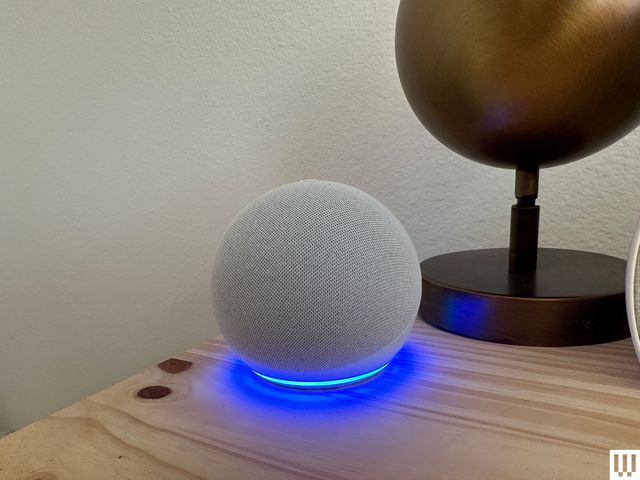
Alexa+, the latest version of Alexa, will also remain on for a little bit after you ask a question to listen for follow-up questions, no wake word required. Both Alexa and Alexa+ light up in some fashion (regular speakers will turn the light ring blue, while the displays will have a blue bar appear on the screen) to let you know the assistant is listening. Most Echo devices also have a physical mute button and will display a red light or red bar to let you know when the mute is activated.
If you’re using an Echo Show device, you’ve likely noticed there is a ton of default content the device will show you. Sports scores! Local news! A recipe you might be interested in! It makes the device exhausting and annoying to be near.
While you’re able to turn off interest-based ads from third-party skills (this is under Alexa Privacy in the Settings menu), it won’t stop all ads. The only setting that is ad-free is choosing Photo Display mode, which can use either Amazon’s included library of photos or your own. The downside is that it turns it into a digital photo frame, so you won’t even see a clock or features like widgets.
Can I Have My Alexa Requests Locally Processed, or Do They Have to Go to the Cloud?
There used to be a privacy feature called Do Not Send Voice Recordings that let you have all your voice requests processed locally on your Alexa device instead of being sent to Amazon’s cloud storage. That feature was killed in March 2025 to support Alexa+, and even if you continue to use the old Alexa, you don’t have access to that feature any longer.
How Does WIRED Select Smart Speakers to Test? How Are These Speakers Tested?
For this guide, we specifically test speakers that are compatible with Amazon Alexa. It’s a big limitation and narrows down the options significantly, especially compared to speaker options you’ll see in our other guides like the Best Bluetooth Speakers. That’s mainly Amazon’s own ecosystem of speakers, and while there are third-party options, the best options tend to be of Amazon’s own design to work with its own voice assistant.
Each speaker gets installed in a tester’s home for day-to-day use, to see how the microphone performs, how the speaker sounds with different types of music, how well the smart home control features work with compatible devices such as smart lights and video doorbells, and to test other features as necessary (e.g., streaming features on smart displays).
We usually obtain review units as press samples, though we will also independently purchase samples if need be. Any units were provided with no obligation to cover or promises for what that coverage would be.
After testing, we keep most of our picks either installed for long-term testing in our homes or in storage to compare against updated models and new speakers that come out. If the sample becomes irrelevant or unnecessary to keep, we donate it locally.