
The topic ‘We Have No Shared Reality’: Two Political Influencers on the Future of Politics… is drawing steady attention: readers, analysts, and industry watchers are all tracking how the story may unfold in the days ahead.
This is taking place in a fast-moving context — product cycles, platform shifts, and competitive moves can reshape the outlook quickly, so the details below are worth a careful read.
What follows is a clear walkthrough of the main facts and angles you need to make sense of the news.
A voter going to the polls Tuesday night was more likely than not to use information from their favorite influencer than traditional news when casting their vote. according to the data a recent YouGov survey, nearly 65 percent of 2,000 adults surveyed say they receive their political information from digital creators.
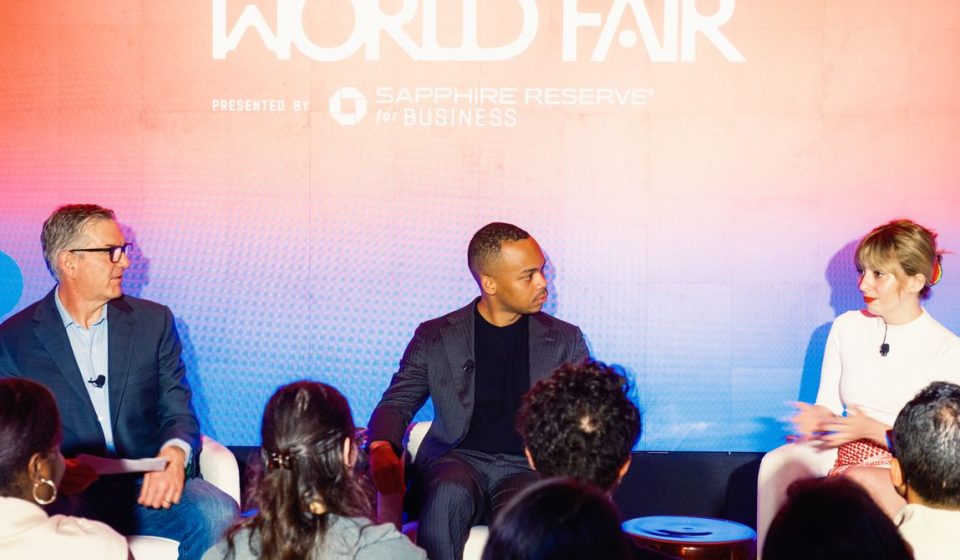
Given that that statistic jumps to 77 percent when you isolate Gen Z, it’s unlikely to change anytime soon. On the heels of a historic Democratic wave capturing the House and Senate Tuesday, Kat Abughazaleh, who ran for an Illinois House seat earlier this year as a Democrat, and Republican strategist CJ Pearson talked about the future of influencers and algorithms at the WIRED World Fair in Miami on Wednesday.
The Trump administration has been particularly aggressive in welcoming right-wing creators into the White House. Former press secretary Karoline Leavitt opened formal press briefings to digital creators last year and hosted influencer-specific briefings during her tenure. (Leavitt’s move garnered hefty criticism for favoring softball questions, especially as the administration cracked down on the presence of more traditional media in press briefings.)
Pearson, who previously served on the RNC’s Youth Advisory Council, has been directly involved in these efforts, and points out that multiple federal agencies are now copying the White House’s playbook. He said that it’s simply the cost of getting people’s attention in the digital age.
“It’s a very chronically online administration,” he said. “With how short people’s attention spans are, you have to make [things] interesting.” Not all of the White House’s efforts have been received smoothly on the right: Pearson believes the administration’s decision to distribute portions of the Epstein files to 15 right-wing creators last year was “a misstep.”
For Abughazaleh, a former Media Matters reporter, the administration’s embrace of the internet signals something far more nefarious. Abughazaleh brought up the Department of Education’s recent use of the “Malfoid” meme—a gender-bent Harry Potter fascist figurehead—which, she said, was being promoted for a too-online audience of “incels.” And the White House’s embrace of “AI slop and brutality,” seen in ads about ICE actions, was turning “cruelty into content” rather than informing people, she says.
Abughazaleh and Pearson are pretty far apart on the political spectrum. The WIRED forum included some testy exchanges, including whether or not ICE facilities can be called “concentration camps”—a term Abughazaleh, who was arrested for protesting outside an ICE facility last year, used consistently. (The charges were dropped after allegations of misconduct by prosecutors before a grand jury.) They also skirmished over Pearson’s claim that Elon Musk had turned X into a “bastion of free speech.”
But both agreed that reliance on algorithms is increasingly creating echo chambers with young Americans of both parties.
“Algorithms show us what you want to see,” Pearson said, mentioning that his friends on the left will sometimes send him articles on political topics he simply hasn’t seen before. “The deeper question is, is that good for society or for democracy?”