
The topic Boiling Apples, Orange Peels, Cinnamon, and Vanilla: What It’s For and Why People… is drawing steady attention: readers, analysts, and industry watchers are all tracking how the story may unfold in the days ahead.
This is taking place in a fast-moving context — product cycles, platform shifts, and competitive moves can reshape the outlook quickly, so the details below are worth a careful read.
What follows is a clear walkthrough of the main facts and angles you need to make sense of the news.
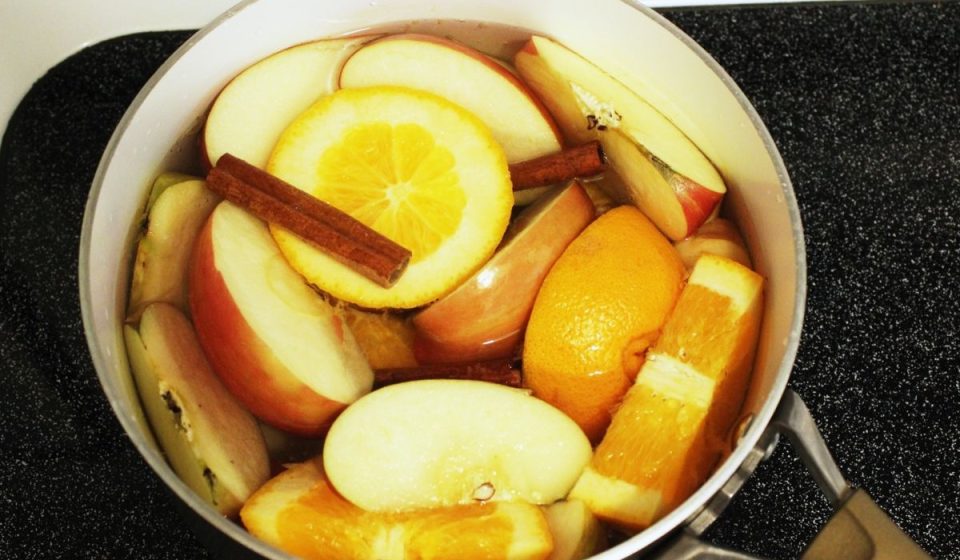
Apple slices, orange peels, cinnamon sticks, and a splash of vanilla in a saucepan. It looks like the beginning of a dessert, but there’s no pie or cake to bake. Some homeowners heat these ingredients on the stove for a different reason, one that can make the kitchen smell like Christmas without lighting a scented candle.
The appeal goes beyond the fragrance. A 2026 review of 18 studies found that odors can trigger memories with stronger emotional responses than images or words. That may help explain why the scent of apples and cinnamon reminds people of holiday meals, family kitchens, and Christmas mornings.
The video below shows how the ingredients come together in a saucepan and how the mixture releases its scent as the water simmers.
Apples, orange peels, cinnamon sticks, and vanilla extract provide four distinct aromas without manufactured fragrance blends. Apple slices contribute a fruit scent, orange peels release citrus oils, cinnamon adds spice, and vanilla brings the familiar smell of baking.
More cinnamon shifts the mixture toward spice, while extra orange peel emphasizes citrus. The ingredients can be adjusted according to the data which scent you prefer.
Orange rind contains aromatic oils that contribute the citrus scent. The recipe uses thick orange slices, but leftover peels work when you want to save the fruit for eating.
Cut the peels into pieces that fit inside the saucepan, and use enough water to keep them submerged. Avoid using spoiled fruit or peels with visible mold.
Long cinnamon sticks rest among the orange pieces and apple wedges, adding the spice associated with pies and baked fruit. Their warm aroma gives the mixture a different character from citrus simmered on its own.
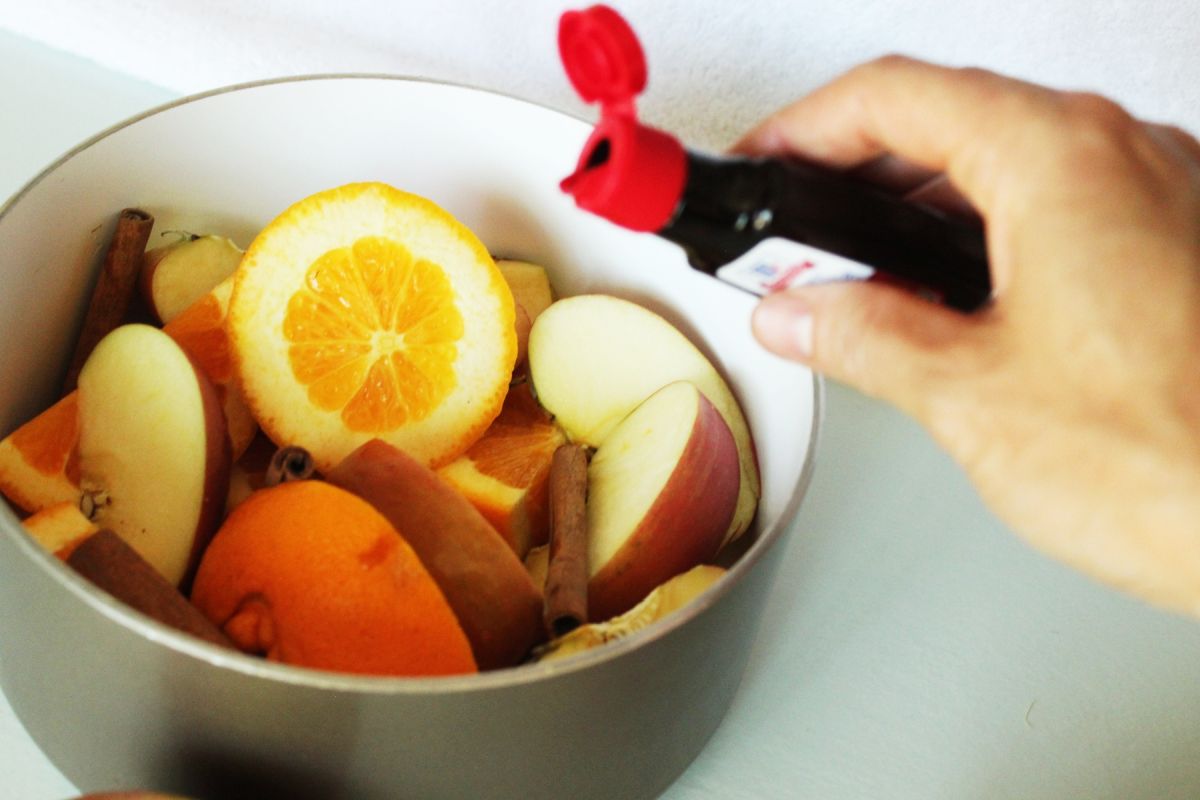
Pour a small splash of vanilla extract into the saucepan with the fruit and cinnamon. Vanilla adds a sweet baking note without sugar or a dessert in the oven.
The original recipe doesn’t require a fixed combination of ingredients, so the amount of vanilla can be adjusted to taste in the fragrance.
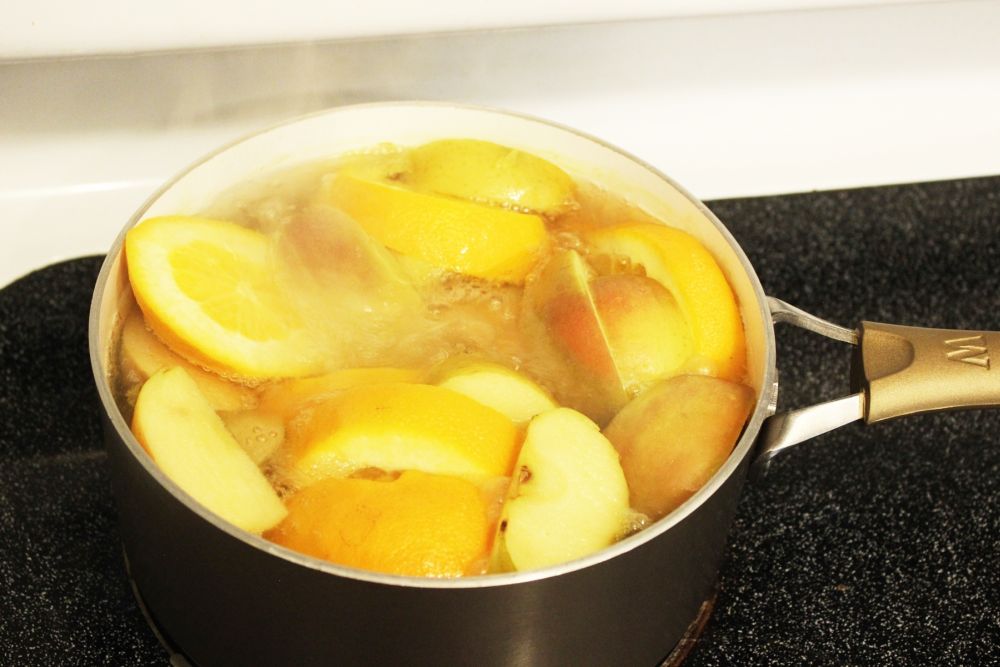
Place the saucepan on the stove, bring the water to a boil, and reduce the heat to a gentle simmer. Steam carries the fruit and spice aromas into the surrounding room.
Check the water level throughout use and add more before the ingredients become exposed or the pot begins to dry. Keep the burner attended, away from children and pets, and turn it off before leaving the kitchen unattended for an extended period.
For another combination, the University of Tennessee Extension shares a holiday simmer-pot recipe using citrus, cinnamon, vanilla, and other spices. It recommends adding water as needed and never leaving the pot unattended.
Would you try this apple, orange, cinnamon, and vanilla simmer pot for Thanksgiving or Christmas?
be aware when boiling scents on your stove. If they contain eugenol fumes, it’s harmful to your cats.
I am very sensitive to the chemicals that are used in candles and other room scents. this natural approach to bringing an aroma to a room is a great idea!
I put cloves in mine and orange peels. My mother did this with potpourri when I was a little girl. she set pots on the gas heaters, and it smelled good and would help keep the air in the house from getting too dry.
Yes, it smells wonderful and is simple to do. I am not a fan of wasting gas or electricity, keeping a stove burner on for hours at a time. One exception is actually cooking food.