
The topic Gavin DeGraw Bought a Gramercy Co-op is drawing steady attention: readers, analysts, and industry watchers are all tracking how the story may unfold in the days ahead.
This is taking place in a fast-moving context — product cycles, platform shifts, and competitive moves can reshape the outlook quickly, so the details below are worth a careful read.
What follows is a clear walkthrough of the main facts and angles you need to make sense of the news.
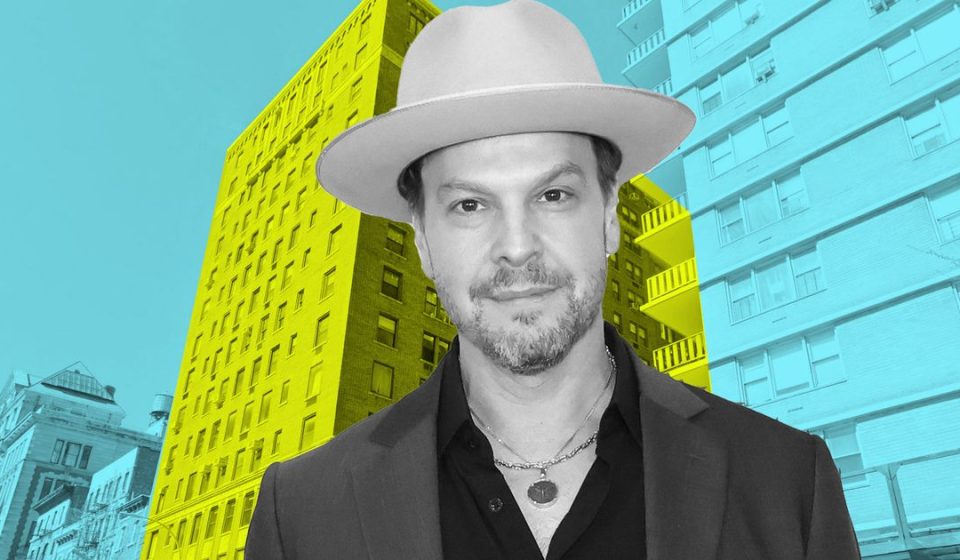
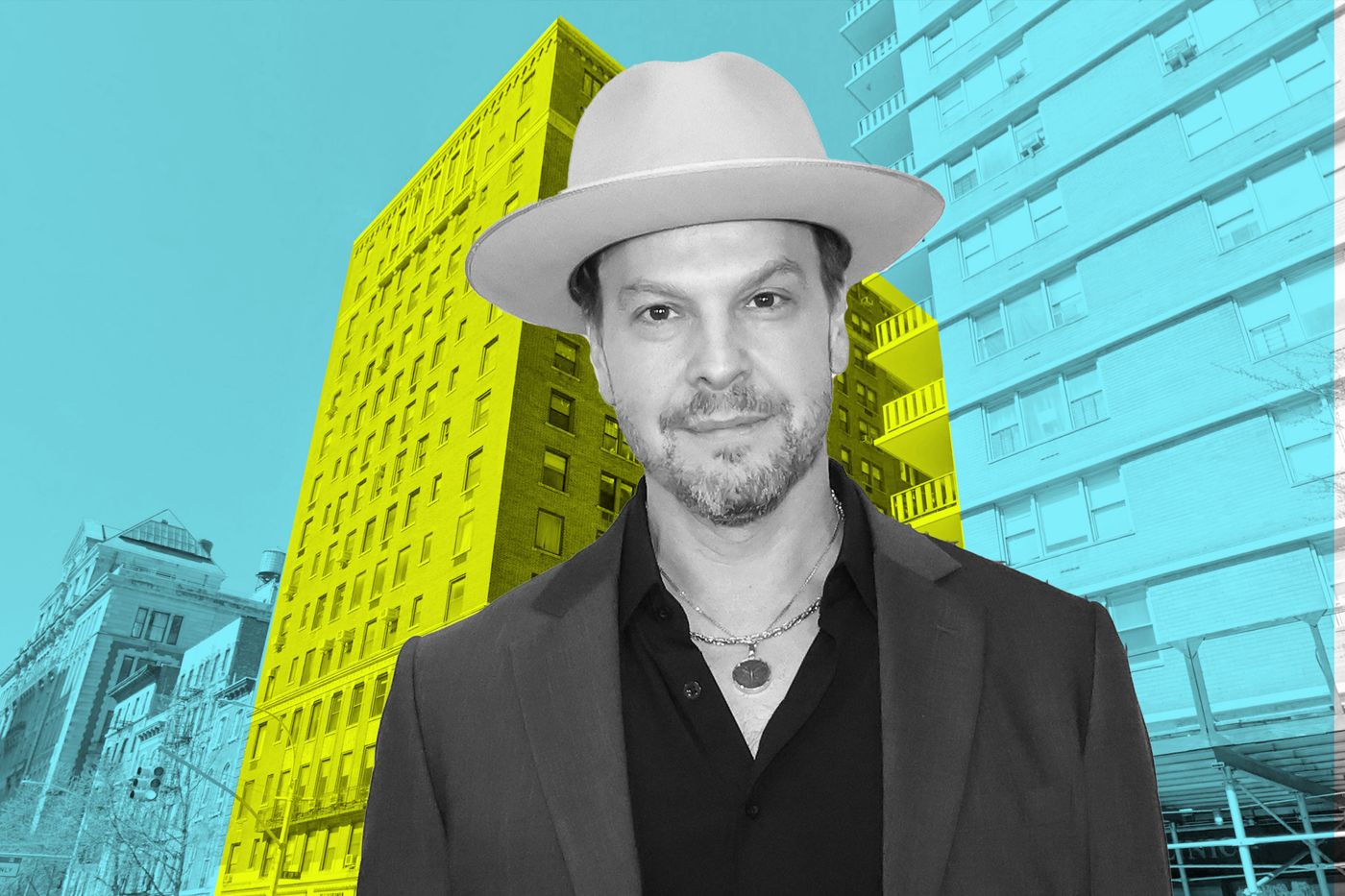
Gavin DeGraw isn’t scheduled to perform again this year in the Macy’s Thanksgiving Parade, but now he at least has a place to stay if he wants to watch Snoopy and Pikachu float down Sixth Avenue. In October, the singer-songwriter paid $849,000 for a one-bedroom, one-bath in a prewar Gramercy co-op, according to the data property records filed last week. The seller was Michael B. Heller, an emergency-medicine physician who kept an office in the building.
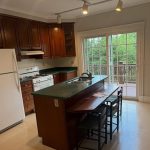
The listing describes the seventh-floor apartment as “spacious” and “light filled,” owing mostly to the living room’s large north-facing window, which is flanked by built-in bookcases. The bedroom, meanwhile, gets west- and north-facing exposures and slightly more open views of the city skyline. Aside from the beamed nine-and-a-half-foot ceilings, things are low-key design-wise: The kitchen has been updated with crisp, almost entirely white tilework and cabinetry and stainless-steel appliances, and the bathroom is a similarly monochromatic scene. The building’s amenities are relatively bare-bones, too (bike room, laundry, doorman, live-in super), but at least the apartment comes with access a Zen garden where DeGraw can self-reflect on the questions he burned into a generation, like “what I’ve gotta do” or “who I’m supposed to be.”
The Chariot singer, who grew up in the Catskills, moved to New York City not long after playing his first show at the Bitter End in 1997. He opened the roots-rock venue National Underground with his brother, Joey, on the Lower East Side a decade later, although it closed in 2013. He bought a house in Nashville around 2009 and ended up opening a southern outpost of their venue, the Nashville Underground, which shuttered earlier this year. It’s unclear exactly why DeGraw might be resettling in New York again now, but there’s at least one spot where his drop-in performances are welcome when he’s here.
By submitting your email, you agree to our Terms and Privacy Notice and to receive email correspondence from us.