
The topic I Tested 11 Vinegar Cleaning Tricks Around My Home: Here’s What Worked and What… is drawing steady attention: readers, analysts, and industry watchers are all tracking how the story may unfold in the days ahead.
This is taking place in a fast-moving context — product cycles, platform shifts, and competitive moves can reshape the outlook quickly, so the details below are worth a careful read.
What follows is a clear walkthrough of the main facts and angles you need to make sense of the news.
One bottle of white vinegar is supposed to clean everything from cloudy shower glass to coffee makers and washing machines. Some of these tricks have been passed around for years, but I wanted to find out which ones were worth trying and which worked better in theory than in practice.
I tested 11 common vinegar cleaning methods around my home, using them on mineral deposits, greasy surfaces, appliance buildup, and stubborn odors. Some produced visible results after a short soak or wipe, while others raised questions about whether vinegar belonged in the appliance at all.
The most useful results came from knowing where vinegar’s acidity helped, how long to leave it in contact with the buildup, and when another cleaning method would have been a safer choice.
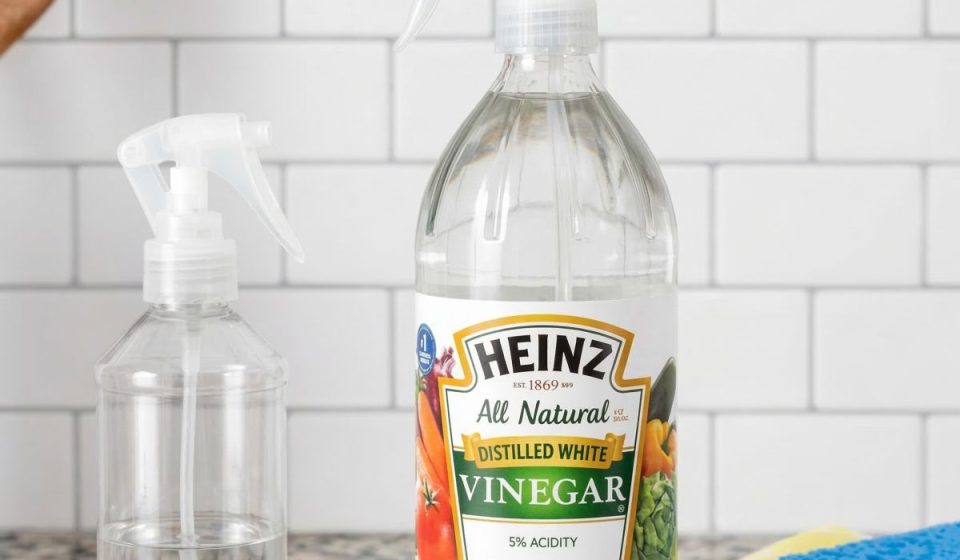
One of the first things I tested was using vinegar as a surface cleaner. I poured white vinegar into a spray bottle and used it on kitchen cabinets, tables, and several laminate surfaces around the house.
The vinegar broke down grease and residue without leaving the slippery film that some multipurpose sprays leave behind. After wiping with a microfiber cloth, the surfaces looked clean and felt smooth without any residue. The only place I avoided using it was on natural stone such as granite or marble because the acidity can weaken the protective seal.
Coffee makers collect mineral deposits from water, and over time those deposits affect both taste and performance. I filled the reservoir with vinegar and ran a brew cycle, then followed with several cycles of clean water.
The difference became clear when the next pot of coffee brewed faster and the machine no longer produced the dull mineral smell that had built up inside.
Many glass cleaners leave faint streaks once the liquid dries. I mixed vinegar with warm water and used a microfiber cloth to wipe the windows.
The vinegar cut through dust and residue on the glass without leaving any visible film. After the windows dried, the glass looked clearer than when I used typical spray cleaners.
One of the most surprising vinegar tricks involved removing odors from a room. I placed small bowls of vinegar in areas where smells tend to linger, including the kitchen and a storage space near the laundry area.
At first the vinegar smell was noticeable, but after several hours it faded and the stale odors that had been present before were gone as well.
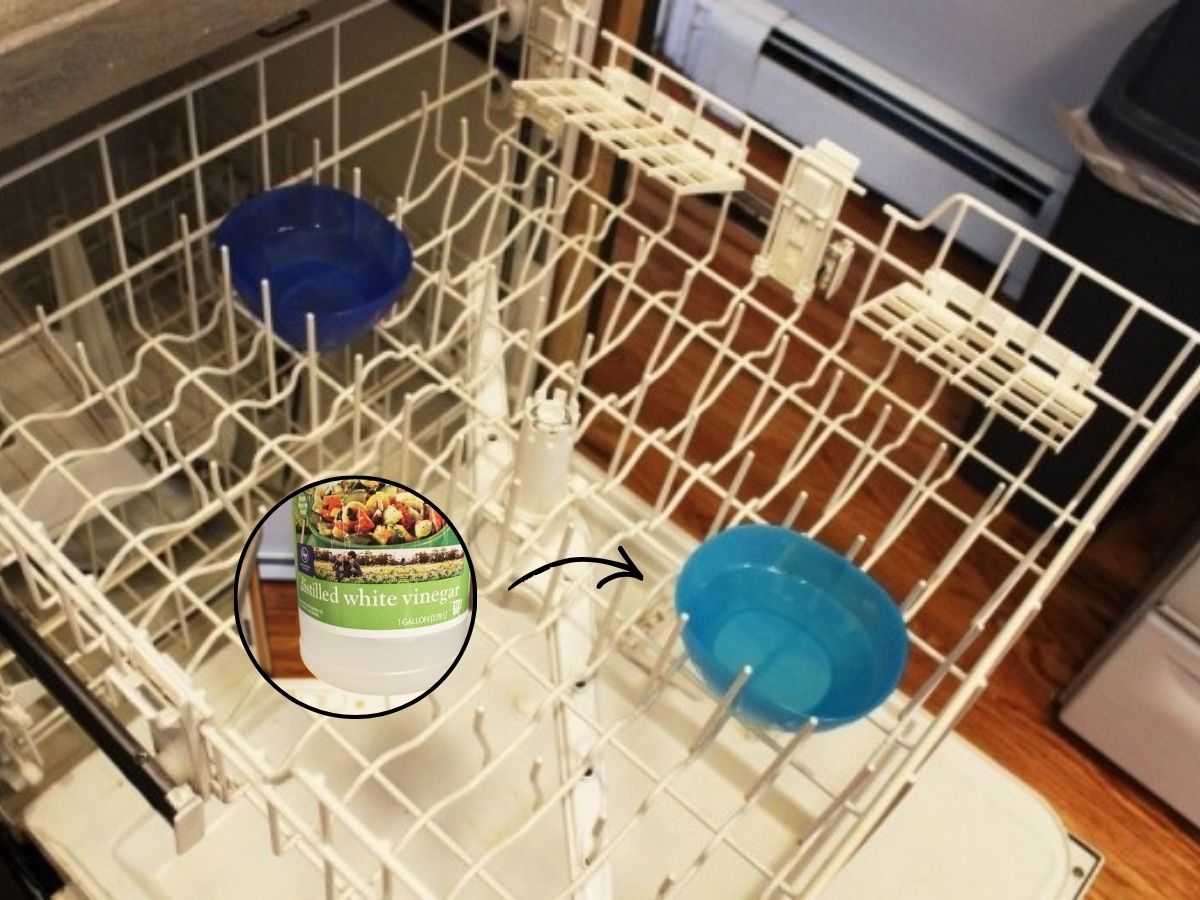
Cloudy glasses often come from mineral deposits left behind during the wash cycle. To test the vinegar trick, I poured a cup of vinegar into the bottom of the dishwasher before starting a normal load.
After the cycle finished, the glassware looked clearer and the dull white spots from hard water were gone.
When the kitchen drain started to move slower than usual, I tried the baking soda and vinegar reaction that many people recommend.
I poured baking soda into the drain, followed by vinegar. The mixture bubbled and loosened residue inside the pipe. After flushing the drain with hot water, the water flow improved and the odor from the drain disappeared.
Dried food inside the microwave can be difficult to remove with a sponge alone. I heated a bowl of water mixed with vinegar for several minutes so the steam filled the interior.
The steam softened the stuck residue on the microwave walls, and the buildup wiped away without scrubbing.
Shower doors collect layers of soap film and mineral deposits. I sprayed vinegar on the glass and allowed it to sit for several minutes before wiping it with a cloth.
The vinegar loosened the cloudy buildup and restored clarity to the glass panels without needing a heavy bathroom cleaner.
Washing machines can develop odor from detergent buildup inside the drum and hoses. To test the vinegar method, I ran an empty hot cycle with two cups of vinegar.
After the cycle finished, the drum smelled clean and the stale detergent odor that had been present before disappeared.
Plain vinegar has a strong smell, so I tried one variation that changes the scent. I filled a jar with orange peels and covered them with vinegar, leaving the mixture to sit for about a week.
The result was a citrus-infused cleaning solution that kept the same cleaning strength but replaced the sharp vinegar smell with a lighter citrus scent.
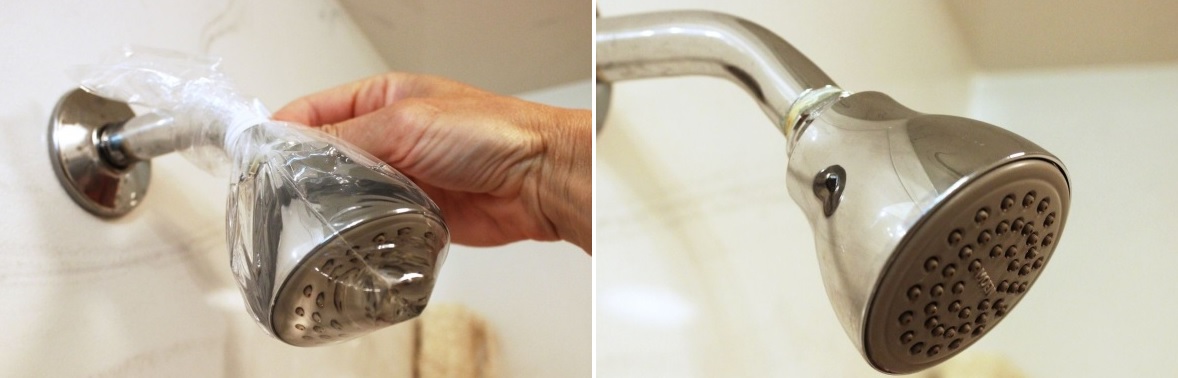
Mineral deposits from hard water often collect inside shower heads, reducing water pressure and causing uneven spray.
To test the vinegar method, I filled a small plastic bag with white vinegar and secured it around the shower head with a rubber band so the nozzles stayed fully submerged. I left the vinegar to work for several hours so it could dissolve the mineral buildup inside the openings.
When I removed the bag and turned the shower back on, the difference was noticeable. The water pressure improved and the spray pattern looked more even because the clogged holes had cleared. A quick wipe with a cloth removed the remaining residue around the metal surface.
Good Housekeeping – Cleaning according to experts You Should Never Use Vinegar on These Surfaces, Mr. Coffee – How to Clean a Drip Coffee Maker, GE Appliances – Removing Spots or Film From Glassware or Dishwasher Tubs, Consumer Reports – How to Clean Your Kitchen Sink and Drain, Whirlpool – Should You Clean Your Washing Machine With Vinegar?, Good Housekeeping – How to Clean a Showerhead.