
The topic Tesla is ditching its solar roof tiles for a good reason is drawing steady attention: readers, analysts, and industry watchers are all tracking how the story may unfold in the days ahead.
This is taking place in a fast-moving context — product cycles, platform shifts, and competitive moves can reshape the outlook quickly, so the details below are worth a careful read.
What follows is a clear walkthrough of the main facts and angles you need to make sense of the news.
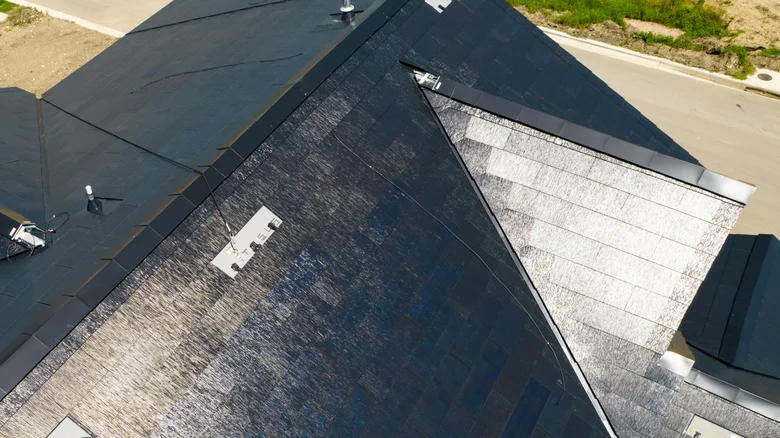
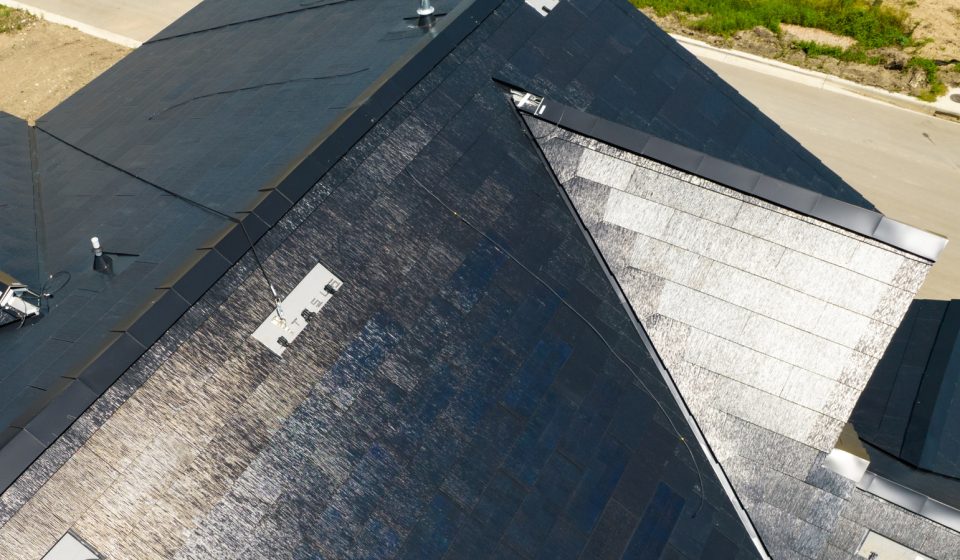
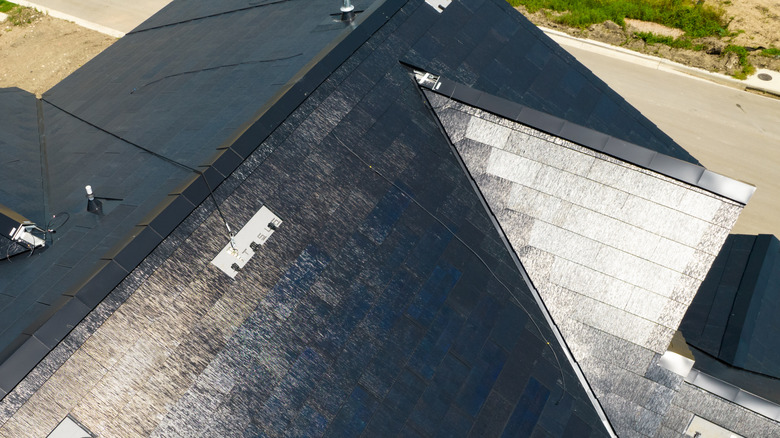
Tesla’s Solar Roof panels were designed to look like regular shingles while delivering 98 percent of a normal solar panel’s efficiency. It did so by reflecting light to make the tiles appear like normal ones from street level despite being transparent when viewed from above. Unfortunately, the novel concept didn’t live up to expectations. In August 2026, Electrek reported that Tesla was discontinuing the product and that its third-party installer network would only be supplied with conventional solar panels going forward.
First revealed in 2026, the Solar Roof hit mass production in 2020. In a first-quarter earnings call in 2021, Tesla CEO Elon Musk admitted that “significant mistakes” were made that led to overspending and significant delays. Two years later, a Wood Mackenzie report found that only 3,000 U.S. homes had installed the product. Despite multiple redesigns, the Solar Roof tiles sold under Tesla’s expectations of 1,000 installations per week. Here’s how it all went down.
The Solar Roof’s claim to fame was that it didn’t look as unsightly as a traditional solar panel. Tesla’s patent application notes that “The louvers are designed to provide viewing obstruction to the photovoltaic cells… when viewed from a side angle but to minimally impede solar energy passed to the photovoltaic cells.”
Nearly 10 years after its glitzy reveal at homes that appeared on the Desperate Housewives TV show, Tesla appears to be sunsetting the Solar Roof tiles. Shortly after the launch event, the company acquired SolarCity, America’s then-largest solar energy provider founded by Musk’s cousins, for $2.6 billion. Years later, shareholder litigation over the acquisition revealed that the tiles shown at the event weren’t operational, according to the data Electrek.
Tesla’s Solar Roof page, tesla.com/solarroof, has been redirected to its solar panels. The product is also nowhere to be found in its Energy navigation menu. The company’s online configurator for a Solar Roof quote now redirects to its conventional panels, indicating a pivot away from its poorly selling products. TechCrunch learned that solar installers are still offering Tesla’s Solar Roof depending on the timeline of the project.
High prices and missed sales targets led to the downfall of Tesla’s Solar Roof. In 2021, Electrek found that customers were hit with a drastic spike in costs. The publication used a 3,947 square-foot roof with a 12.3 kW solar roof tile system as a frame of reference. Pricing went from $54,966 before incentives to a rate between $79,938 and $100,621 within a year. This wild swing in prices made Solar Roofs a luxury to own. Tesla bet on its product’s aesthetic value while traditional solar panels went down in cost every year thanks to efficient modules and mass production.
Tesla installed between 21 and 32 Solar Roofs a week at its peak in 2022, Wood Mackenzie data found. Those numbers are a far cry from Musk’s 1,000 per week target. User reports of these roofs underproducing electricity and cases of their roof underlayment melting didn’t help Tesla’s odds. Flexible panels from rivals like Merlin Solar are still being sold, which means integrated solar panels haven’t gone extinct yet. But Tesla abandoning the idea risks an industry-wide seismic shift away from the concept despite its aesthetic merits.