
The topic Samsung vs. LG OLED TVs: What’s the difference between them? is drawing steady attention: readers, analysts, and industry watchers are all tracking how the story may unfold in the days ahead.
This is taking place in a fast-moving context — product cycles, platform shifts, and competitive moves can reshape the outlook quickly, so the details below are worth a careful read.
What follows is a clear walkthrough of the main facts and angles you need to make sense of the news.
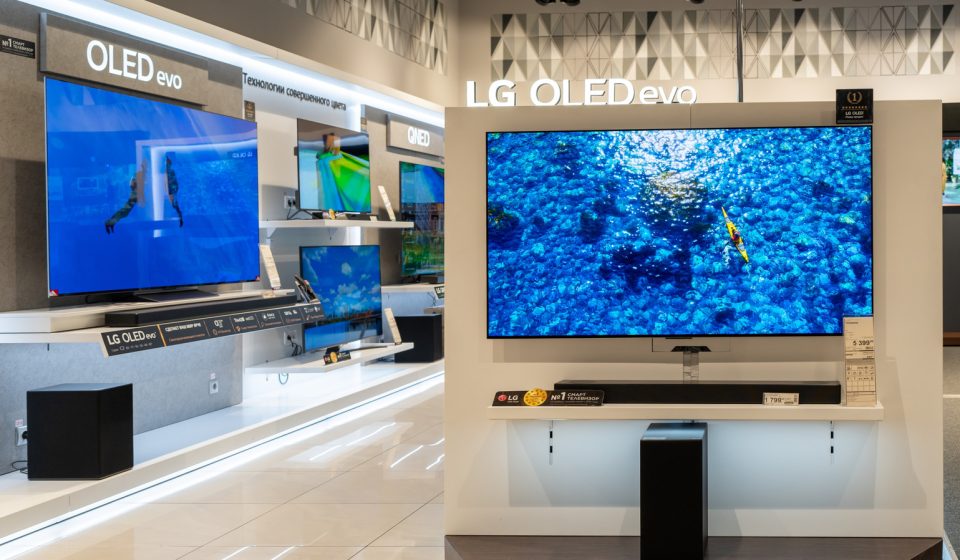
LG and Samsung continue to dominate the OLED TV market. LG entered the field in 2010 with its humble 15-inch 15EL9500 during the technologies’s infancy, laying the groundwork for its first 55-inch television in 2012. Throughout the years, LG has slowly built a major foothold in the space with its series of OLED displays. Their crisp colors gives it a unique pop you seldom find in other OLED televisions, even those with more impressive spec sheets.
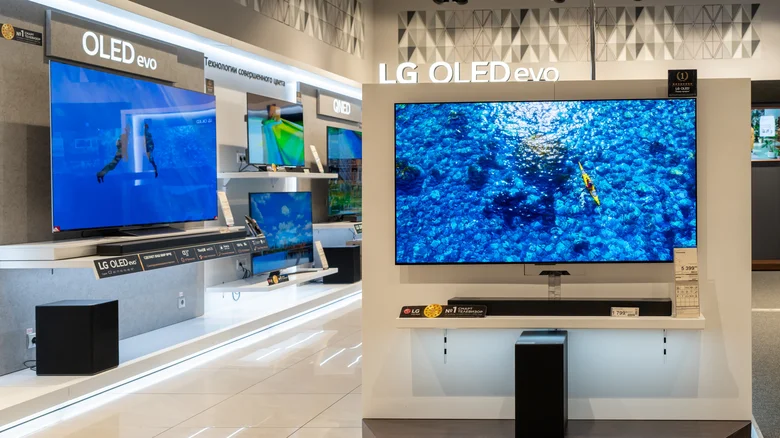
And you won’t find more impressive spec sheets than Samsung OLEDs. Since its return to the OLED TV market in 2022, the company has invested heavily in display-panel innovations to carve out its own niche. Samsung’s QD-OLEDs are arguably the sharpest-looking OLEDs you’ll find in consumer-grade hardware, outperforming LG’s panels in color saturation. Based on that, you might think Samsung would be the clear winner for OLED TVs, yet LG’s latest OLED innovations make the decision less black-and-white.
Samsung has continued to struggle to provide accurate information about its televisions, obfuscating which panel technologies it uses. LG has faced similar criticism for its major quality concerns with the launch of the G6. Finding the perfect television goes far beyond finding a good panel type. The brand, the television’s software and your viewing area should play a key role in your decision.
OLED televisions come in three display panel types: WOLED, QD-OLED, and RGB Tandem OLED. WOLED is the most common display type that LG pioneered and continues to innovate on. These TVs use a white light source that passes through four filters to create color: red, green, blue, and white. The white subpixel layer helps brighten the image after it passes through the filters, but it comes at the cost of text clarity. This is the main technologies you’ll find in LG televisions and is ideal for high ambient-light environments.
Samsung shook up the OLED space in 2022 with QD-OLED. This technologies uses a blue light source that passes through red and green quantum dots. Since the dots convert color rather than filtering it out, these panels tend to have a much wider color gamut and are significantly more energy efficient, which theoretically means they last longer. They’re the gold standard for HDR displays, but quantum dot technologies makes them ill-suited for bright living spaces; strong light hitting the panel can cause magenta glare.
RGB Tandem OLEDs use multiple emissive layers and a striped subpixel layout to boost brightness, reaching upwards of 1,000 nits per pixel on some television models. That said, the lack of quantum dot technologies means RGB Tandems tend to have poorer color accuracy than Samsung’s QD-OLEDs. RGB Tandem panels are worth a premium due to the high manufacturing cost.
On paper, Samsung’s QD-OLED seems like the best option for most consumers. You can mitigate nearly all of the panel’s weaknesses by minimizing light sources in your viewing space, and its color gamut is best-in-class for consumer televisions. However, the biggest deciding factor for OLED television has nothing to do with the television itself: it’s the room you’ll use it in. The best QD-OLED television will struggle in a room with high ambient light. And while LG does have some form of anti-glare on its OLED displays, it isn’t enough to eliminate reflections entirely.
Software is also a major deciding factor. Samsung’s amazing color saturation sadly can’t be paired with Dolby Vision, as all Samsung OLED television models lack support for it — HDR10 is their substitute. Additionally, LG and Samsung televisions run different operating systems. LG’s WebOS is supported for upwards of five years, while Samsung’s latest Tizen OS will receive up to seven years of updates.
Brand trust shouldn’t be disregarded here. Samsung is notorious for poor quality control across its products, including obscuring panel information in certain models. LG has had a more consistent track record, yet it has faced widespread criticism over privacy concerns. The company’s terms of service allowed LG to record user conversations and sell them to advertisers. Consumer backlash led the company to release a statement soon after, though many haven’t forgiven LG for the controversy.