

The topic Here’s how much Starlink cost in 2020 vs. 2026 is drawing steady attention: readers, analysts, and industry watchers are all tracking how the story may unfold in the days ahead.
This is taking place in a fast-moving context — product cycles, platform shifts, and competitive moves can reshape the outlook quickly, so the details below are worth a careful read.
What follows is a clear walkthrough of the main facts and angles you need to make sense of the news.
Starlink’s cheapest home plan costs $44 less per month than it did in 2020, but hardware ownership and regional pricing have changed.
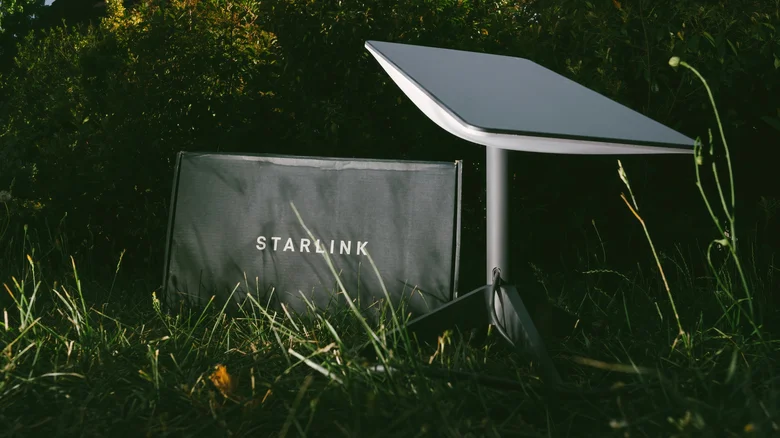
Starlink rolled out its public beta in October 2020, with the equipment costing $499 and the monthly subscription $99. Six years down the road, SpaceX’s satellite internet service starts at $55 monthly for US customers, with equipment rentals available at no upfront cost in select areas. That’s $44 less a month, or $528 less annually, on the subscription cost alone.
The company also jacked up its residential rates in 2026, but the entry-level rate is still lower than it was in 2020. Throw in discounts and fluctuating rates based on local demand, and two customers could end up paying vastly different bills for the same satellite internet service.
SpaceX’s first public beta was rolled out as the “Better Than Nothing Beta.” True to its very transparent (and accurate) name, customers were asked to expect download speeds of 50 to 150 Mbps and latency of 20 to 40ms, paired with occasional periods of zero connectivity.
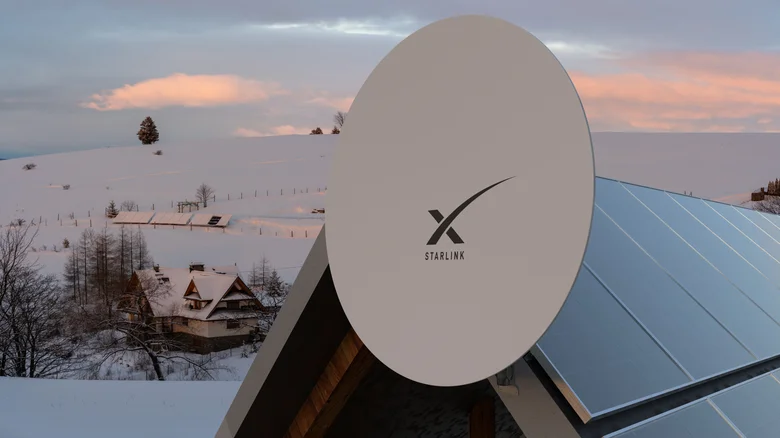
The hardware kit with the price tag of $499 included Starlink’s original circular satellite dish, a mounting tripod and a Wi-Fi router. With the first $99 monthly subscription payment, the initial cost came to $598, excluding shipping and taxes. So if the monthly rate remained the same, the first year’s total would’ve been $1,687, including the equipment.
What customers with reliable broadband might scoff at, though, could still be an acceptable price for those stuck with slow DSL or unreliable cellular service, even with occasional outages.
SpaceX did hike the monthly rates to $110 back in March 2022, and it took effect for current users in April 2022. The hardware cost also went up to $599 for new users and $549 for customers with existing deposits. The culprit, according to the data the company, was inflation. In 2023, there were two prices for residential subscriptions: $90 in areas where there was excess network capacity and $120 in areas where there was limited network capacity.
The satellite internet service is now available with three primary residential plans: Residential 100 Mbps for $55 per month, Residential 200 Mbps for $85 and Residential Max at $130. Each plan offers unlimited data, but the first two are locked to speed limits. The Max plan does get higher network priority and claims speeds of 400 Mbps or higher in suitable conditions.
Starlink can be more expensive than cable, fiber or 5G home internet, but availability is where the value lies. The company’s portable Roam service is available at $55 for 100GB of high-speed internet, after which speeds go down. If you don’t want the high-speed data cap, Roam Unlimited costs $175 per month.