
The topic Who could replace Jensen Huang as Nvidia’s chief executive? is drawing steady attention: readers, analysts, and industry watchers are all tracking how the story may unfold in the days ahead.
This is taking place in a fast-moving context — product cycles, platform shifts, and competitive moves can reshape the outlook quickly, so the details below are worth a careful read.
What follows is a clear walkthrough of the main facts and angles you need to make sense of the news.
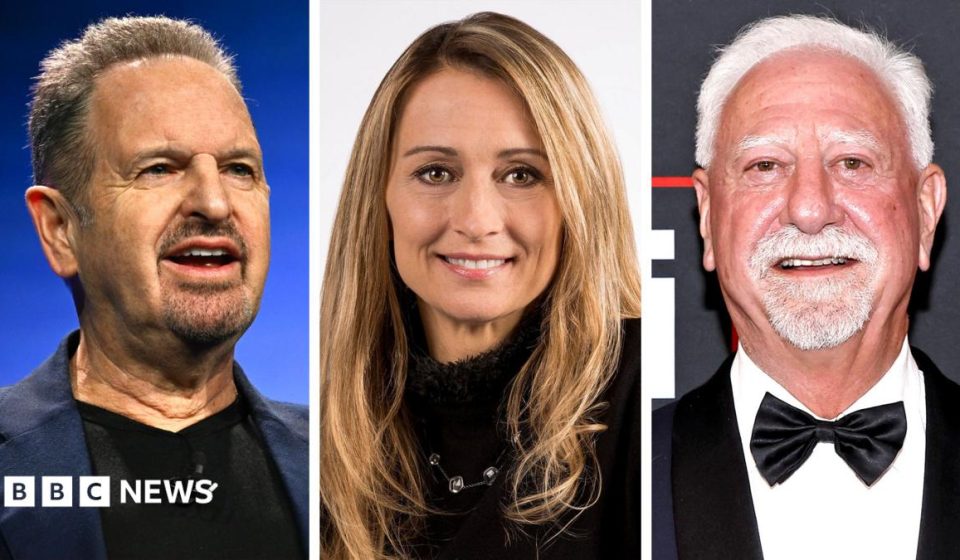
Arm’s boss Rene Haas (L), Nvidia’s Colette Kress (C) and Chris Malachowsky (R) have been named as possible successors
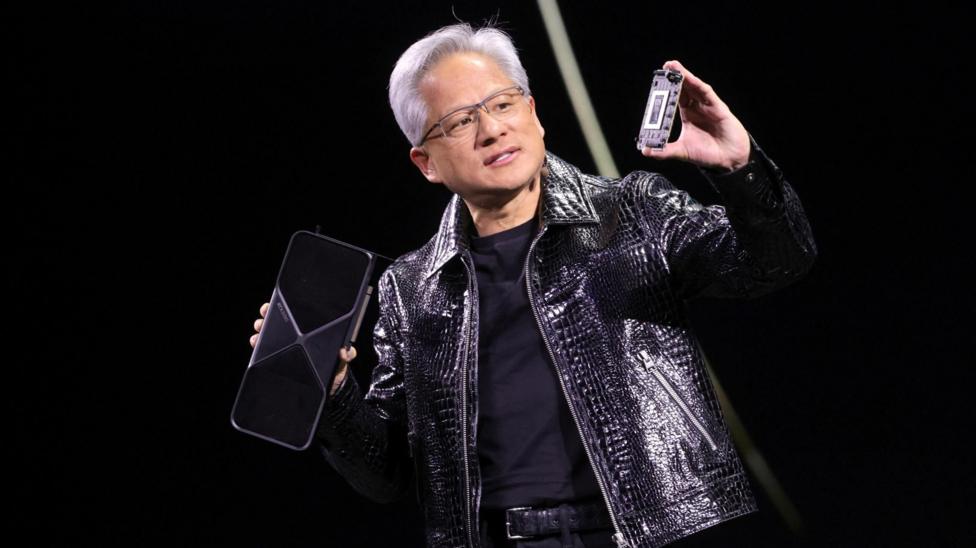
Nvidia is facing a scenario few would have considered until very recently – a future without Jensen Huang.
The chief executive and co-founder of the AI chip-making giant is at the centre of a major scandal over reports of extramarital affairs, one of which was with a woman suspected of being a Chinese spy.
Nvidia’s board is reportedly meeting to discuss whether to replace Huang.
But finding the right person to lead the business that Huang helped create more than three decades ago and turned into the world’s second most valuable company – after Apple – is a challenge.
We take a look at which candidates have emerged as potential successors.
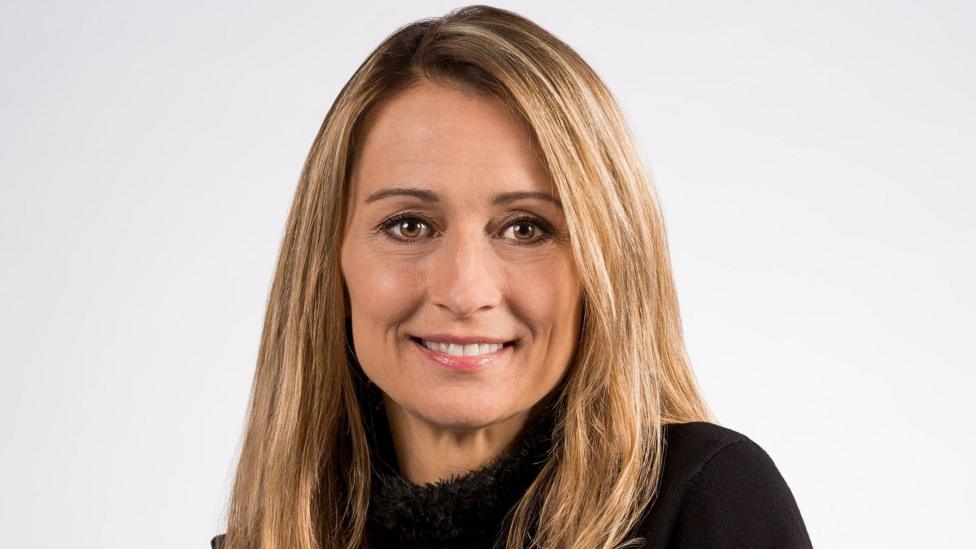
Colette Kress, Nvidia’s chief financial officer, has been tipped as someone who could steady the ship in the interim, and possibly stop its share price from plunging even further.
An industry veteran for more than 30 years, Kress previously held high positions at tech firms like Cisco and Microsoft.
Kress, who also serves as Nvidia’s executive vice president, has seen the firm’s transformation from making chips for video games in the early 1990s to becoming an AI semiconductor powerhouse.
She “fronts every earnings call” alongside Huang and is a “familiar and trusted voice for the market at a time when it badly needs one,” said Josh Gilbert, an analyst at investment firm eToro.
But doing the job permanently could be a different story, said Gilbert, as the firm, known for its edge in technologies, could want an engineer in the chair.
Another option is Chris Malachowsky, who founded Nvidia alongside Huang and Curtis Priem, and is the only executive that shares the same level of seniority.
Malachowsky has played a key part in developing the company’s computing technologies.
Ian Buck, who oversees Nvidia’s high-performance computing business, has also emerged as a potential candidate if the company is keen to put an engineer in the top job.
Buck was among the early pioneers who helped popularise the use of graphic processors beyond gaming applications.
“He could protect Nvidia’s technological edge, but his ability to manage the wider commercial relationships and geopolitical challenges would face scrutiny,” said Charu Chanana, investment strategist at investment bank Saxo.
Today, Nvidia’s leading processors are widely regarded as the gold standard for AI development.
Huang’s children also work at Nvidia in executive positions but are relatively young and inexperienced.
Nvidia is likely to favour an internal appointment initially but could look externally for a more permanent replacement, said Jun Bei Liu, founder and lead portfolio manager at Ten Cap.
Several names of tech entrepreneurs outside of Nvidia have been floated by experts.
Liu said Apple’s former chief executive, Tim Cook, could be a possible choice as someone familiar with managing global supply chains, though she questioned whether he would be willing to leave the iPhone maker, where he is the chair.
Apple’s Tim Cook (R) with Jensen Huang (L) and his wife Lori Huang at the White House
Liu and Chanana also suggested Rene Haas, chief executive of Arm Holdings, the UK chipmaking giant.
Nvidia’s processors are made with the help of chipmakers around the world, including Taiwan’s TSMC and South Korea’s SK Hynix and Samsung.
Haas is familiar with leading a publicly-listed company and would bring semiconductor experience, though Nvidia’s business model is considerably different from Arm’s, said Chanana.
“The challenge is finding someone who can combine Jensen’s technical understanding, strategic vision and relationships across the global technologies industry,” Liu said.
Ten Cap’s Liu believes it is a matter of time in terms of Huang stepping down as Nvidia’s chief executive.
“The issue is no longer simply about personal conduct,” she said. “It is about corporate governance, national security concerns and maintaining confidence in the leadership of one of the world’s most strategically important companies.”
Several major investment firms have downgraded their forecasts for the chip giant – a rare shift given investors’ longstanding optimism about the company.
Stacy Rasgon, senior analyst in US semiconductors at Bernstein Research, wrote in a note to investors that “our gut tells us we probably haven’t fully probed the depths of what might be found here”.
Rasgon halved Bernstein’s share price target for Nvidia and said: “We’ve had enough and prefer to watch from the sidelines.”
Ray Wang, chief executive of Constellation Research, said the crisis isn’t so much an issue for the wider AI industry but rather one for Nvidia itself which has to consider if the person it appoints as its chief executive has the same appeal as Huang.
“That’s really what the issue is, because a lot of these partnerships and investments have been made because of the trust with with Jensen,” he said.
Zoe Kleinman: Nvidia CEO’s affair will cause ripples across US and beyond